Why mastering the basic single jump rather than rushing into high-intensity intervals builds lasting stamina, footwork and athletic progression
The single jump is the foundation of nearly every athletic movement and when applied to rope work, it becomes a deceptively simple exercise that builds incredible conditioning. You start by standing with your feet shoulder-width apart, knees slightly bent and shoulders relaxed over your hips. The idea is to keep your movements minimal and efficient — just enough clearance for the rope to pass underneath. This approach teaches your body to stay light on your feet while developing the rhythm that separates a beginner from someone who can go twenty minutes without missing a beat. Many people rush into high-intensity intervals before they've mastered the basic bounce, but that's like trying to run before you can walk. Spend the first few minutes finding your rhythm, keeping your elbows tucked and your wrists doing the work rather than your entire arms.
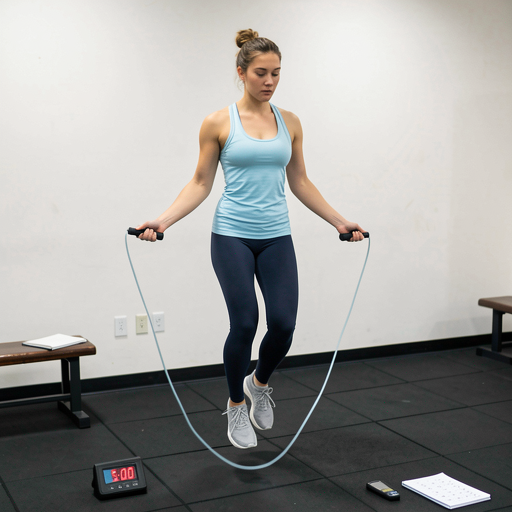
Progression is where real gains happen. Once the single jump feels comfortable, you can gradually increase your intensity by adding interval bursts or slightly elevating your jump height. Think about how runners build endurance — they don't start with a marathon, they start with a single mile and add more over time. The same principle applies here. When you jump on a softer surface, like a rubber mat or a padded floor, you protect your joints while still challenging your cardiovascular system. Hard surfaces work too, but they demand more from your knees and ankles, so use them strategically rather than for every session and let your fitness build gradually.
⏳
A good rule of thumb is to alternate between surfaces so your body adapts to different conditions without breaking down. The single jump trains more than just your legs and lungs. It develops the kind of coordination and timing that spills over into boxing, dance, basketball and basically any sport where you need to move quickly on your feet. Boxers use jump rope drills to stay light and responsive in the ring because the rhythm forces you to keep your hands active and your core engaged. Dancers rely on the same footwork patterns to build agility and control.
🚴️
Even if you're not training for a specific sport, the balance and coordination you develop through consistent single-jump training will improve your movement quality in everyday life. This is one of the real advantages of rope work — it's not just a cardio exercise, it's a full-body workout that sharpens your brain-body connection while building stamina. Consistency matters more than intensity, especially when you're building a habit that will last years rather than weeks. Make it a daily practice, even if some days are shorter or lighter than others. You don't need fancy equipment or a gym membership — just a comfortable rope and enough space to move freely.
🛒
Start with five or ten minutes and gradually extend your sessions as your endurance grows. If you've never jumped rope before, give yourself permission to be imperfect. Missed jumps happen to everyone, even elite athletes, and they're part of the learning process. The key is showing up and staying committed to the work. Over time, you'll notice improvements in your stamina, your footwork and your confidence that go far beyond the workout itself and you'll find that this simple practice has become one of the most rewarding habits you can build.