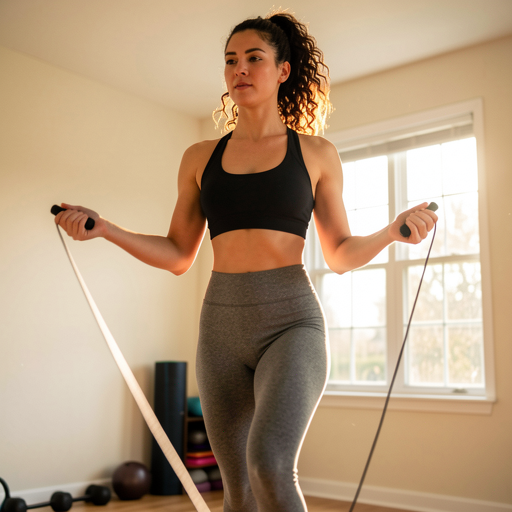
How simple squat holds, handstand practice and playful movement drills rebuild proprioception and prepare your body for jump rope training.
You don't need complicated equipment to build real functional strength — you just need to show up and put in the work. Start by getting comfortable moving through space on your own terms. Many of my clients begin their day still chained to a desk chair, which tightens the hips and dulls the nervous system. That's why I always begin with a simple squat, the kind you might do to pick something up off the ground. Hold it, feel it, own it. From there, try inverting into a handstand position or rolling backward on the floor.
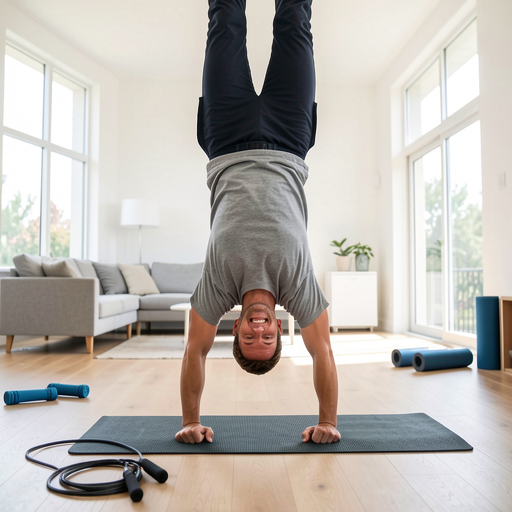
These movements look playful, maybe even silly at first, but they rebuild proprioception — your body's ability to know where it sits in space. People who stick with them often find themselves wanting to repeat them without being told to. That's the kind of exercise that earns its place in your routine. The real magic happens when you string these movements together rather than treating them as isolated tricks. Jump in place and land softly, learning to absorb impact through your legs instead of catching yourself with your arms. It sounds basic, yet most adults haven't genuinely practiced this in years.
💡
Then add in a deep squat hold, what I call the deep set-up, which becomes your foundation for almost everything else. You'll use this exact stance when practicing jump height control, when working on balance drills and yes, when preparing to jump rope with proper form. Each exercise feeds into the next, creating a compounding effect that you can feel within a single session. Consistency matters more than any single movement, so pick a sequence and run with it. Maybe it takes you five minutes, maybe fifteen — what counts is that you return to it regularly. Jumping rope fits beautifully here as a natural progression because it demands the exact coordination these exercises develop: light feet, quiet landings, engaged core and a steady rhythm.
👨🏽🚀
If you're new to jumping rope, start with just thirty seconds and build from there. Your calves will complain, your shins might ache slightly and that's completely normal. Give it a week and you'll notice your vertical leap improving, your posture correcting itself without effort. The beauty of this approach is that it scales with you. As your body adapts, you can increase duration, add variations or combine movements in new ways.
💥
There's no endpoint where you suddenly know enough — there's only deeper awareness and better control. People who commit to this kind of training report fewer aches, better sleep and a genuine enjoyment of moving through their daily lives. They also tend to pick up new skills faster because their bodies have relearned how to cooperate. Whether you're stepping into a gym, rolling across a living room floor or lacing up shoes to jump rope at the park, you're investing in a version of yourself that shows up stronger each day. Keep at it and the results will speak for themselves.