Biceps brachii development, brachialis training and building upper body power through balanced arm muscle work.
When it comes to building arm strength and developing functional upper body muscles, the biceps brachii often take center stage in any fitness routine. These prominent muscles running along the front of the upper arm are heavily recruited during pulling movements, curling exercises and activities that require significant elbow flexion. However, understanding the full picture of arm mechanics goes far beyond simply isolating the biceps, as numerous other muscle groups work in concert to produce smooth, powerful movement patterns that translate to real-world athletic performance and everyday activities.
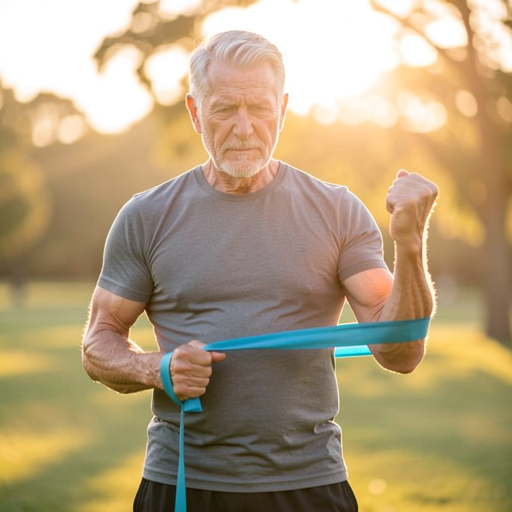
The brachialis muscle deserves special attention when discussing arm development, as this often overlooked muscle sits directly beneath the biceps and plays a crucial role in elbow flexion. Unlike the biceps, which crosses both the elbow and shoulder joints, the brachialis is a pure elbow flexor that contributes significantly to pulling strength and arm thickness. During dynamic movements with a training jump rope, the brachialis helps stabilize the arm position and contributes to the rapid forearm adjustments needed for efficient wrist rotation and cord manipulation.
📏
This smaller but mighty muscle can be developed through hammer curls, reverse curls and various pulling exercises that place greater emphasis on the forearm connection rather than the traditional supinated grip favored by most gym enthusiasts. Beyond the biceps and brachialis, the triceps brachii serve as essential assistance muscles during virtually every arm movement you perform. Located on the posterior aspect of the upper arm, these three-headed muscles are responsible for elbow extension and work synergistically with the biceps to control movement through their full range.
🗿
The triceps become particularly active during pressing movements, push-up variations and even during the recovery phase of pulling exercises where eccentric control is paramount. When you focus on improving your technique to jump rope with proper form, you will notice how the triceps engage to maintain arm stability and control the rebound motion of each bounce off the ground. A comprehensive approach to upper body training should incorporate exercises that target all these muscle groups while also developing the supporting structures such as the forearm flexors, extensors and brachioradialis.
🐎
The brachioradialis, which runs along the thumb side of the forearm, contributes to elbow flexion especially when the forearm is in a neutral position between supination and pronation. Strong forearms also play a vital role in grip endurance, which becomes increasingly important during longer cardio sessions like extended jumping rope intervals. By incorporating a variety of pulling exercises, curl variations and pressing movements into your training program, you will build not only more impressive looking arms but also develop the functional strength and muscular balance that supports injury-free movement patterns and improved athletic performance across all physical activities.